
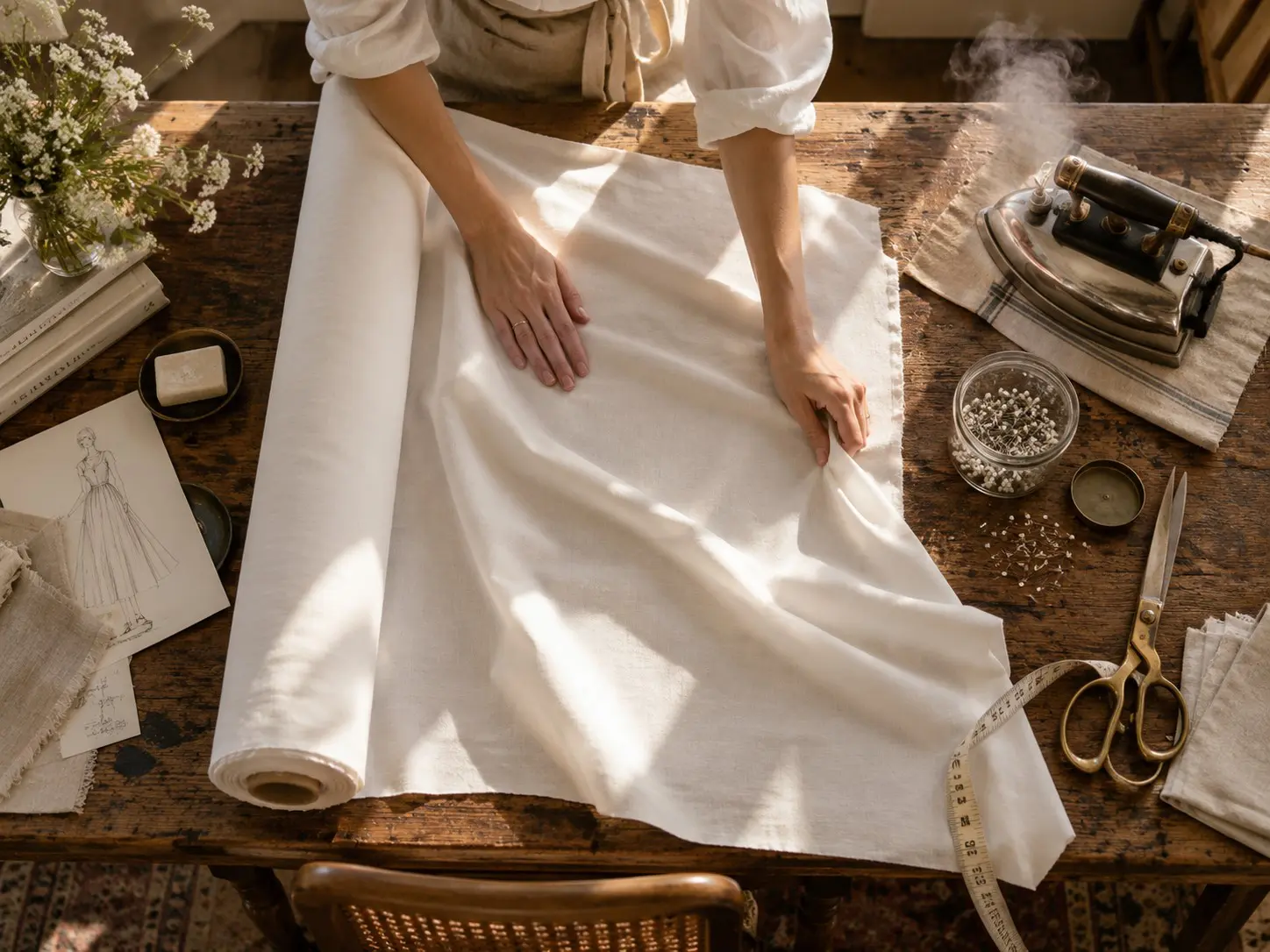
Cotton Fabric 101: Mastering the Classic Plain Weave
Everything you need to know about cutting, pressing, and sewing the most versatile fabric in your stash.
Quick Summary
- Plain weave cottons offer unrivaled structural stability, making them the perfect entry point for new garment makers.
- Pre-washing is a non-negotiable first step to prevent seam distortion and shrinkage after the first laundry cycle.
- Matching your needle size to the fabric’s specific weight prevents microscopic pulls and skipped stitches.
The world of textiles is vast and complex, but if there is one material that sits universally at the foundation of modern dressmaking, it is the classic cotton plain weave. From the crisp structure of a tailored summer shirt to the comforting breathability of a structured A-line dress, plain cotton is the undisputed workhorse of the sewing studio.
For beginners, it offers a forgiving, slip-free surface. For advanced tailors, it provides the perfect architectural base for complex pleating and pintucks.
The Anatomy of a Plain Weave
When we talk about a “plain weave,” we are referring to the construction of the fabric rather than its color or print. It is created using a simple over-under interlacing pattern, where the warp (lengthwise) and weft (crosswise) threads cross at right angles.
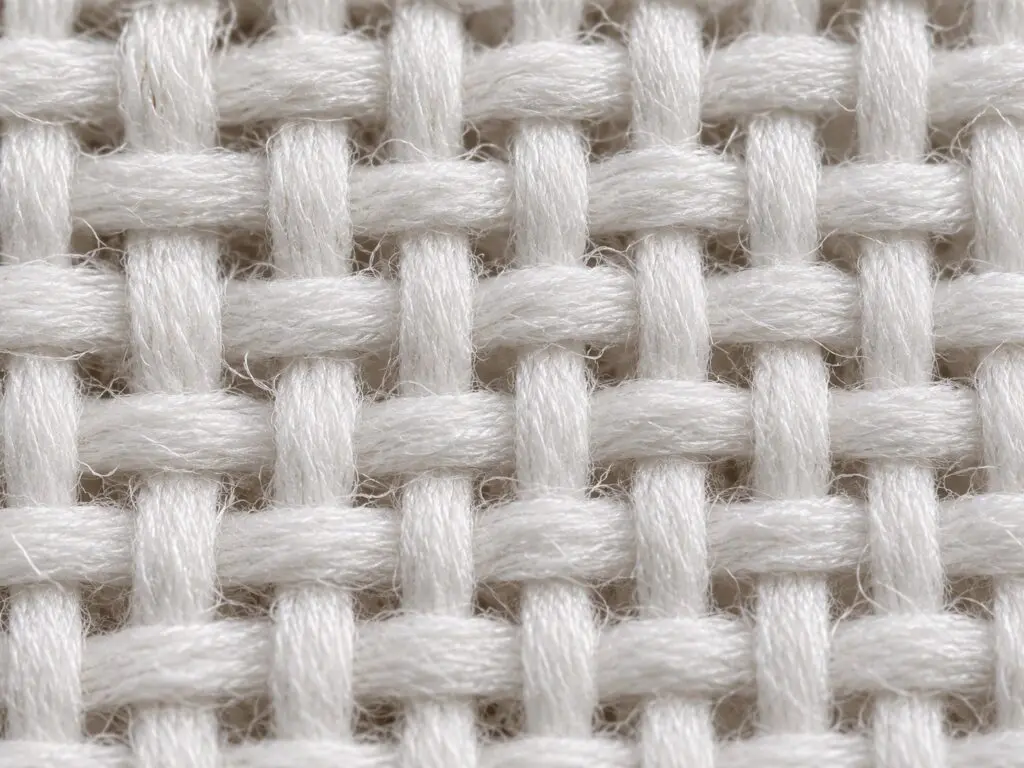
This grid-like structure is exactly what gives standard cottons like poplin, lawn, and broadcloth their signature stability. Unlike a fluid viscose or a stretchy jersey, a plain weave locks its threads in place, meaning your fabric will not warp or shift under the pressure of the sewing machine foot.
The Golden Rule: Preparation is Everything
Natural fibers have a memory, and they react predictably to heat and moisture. When cotton is milled, it is held tightly on massive looms. When that fabric hits warm water for the first time, those fibers relax and contract.
Skipping the pre-wash is the most common mistake made in modern dressmaking. Always run your raw yardage through a standard 30°C or 40°C wash cycle before your scissors ever touch it. Once dry, press the fabric flat with a hot, steamy iron. This ensures that any natural shrinkage (typically 3-5%) happens before you cut out your pattern pieces, guaranteeing a garment that fits flawlessly wash after wash.
Needle and Thread Pairings
While cotton is incredibly durable, using the wrong tools can result in puckered seams or visible needle punches.
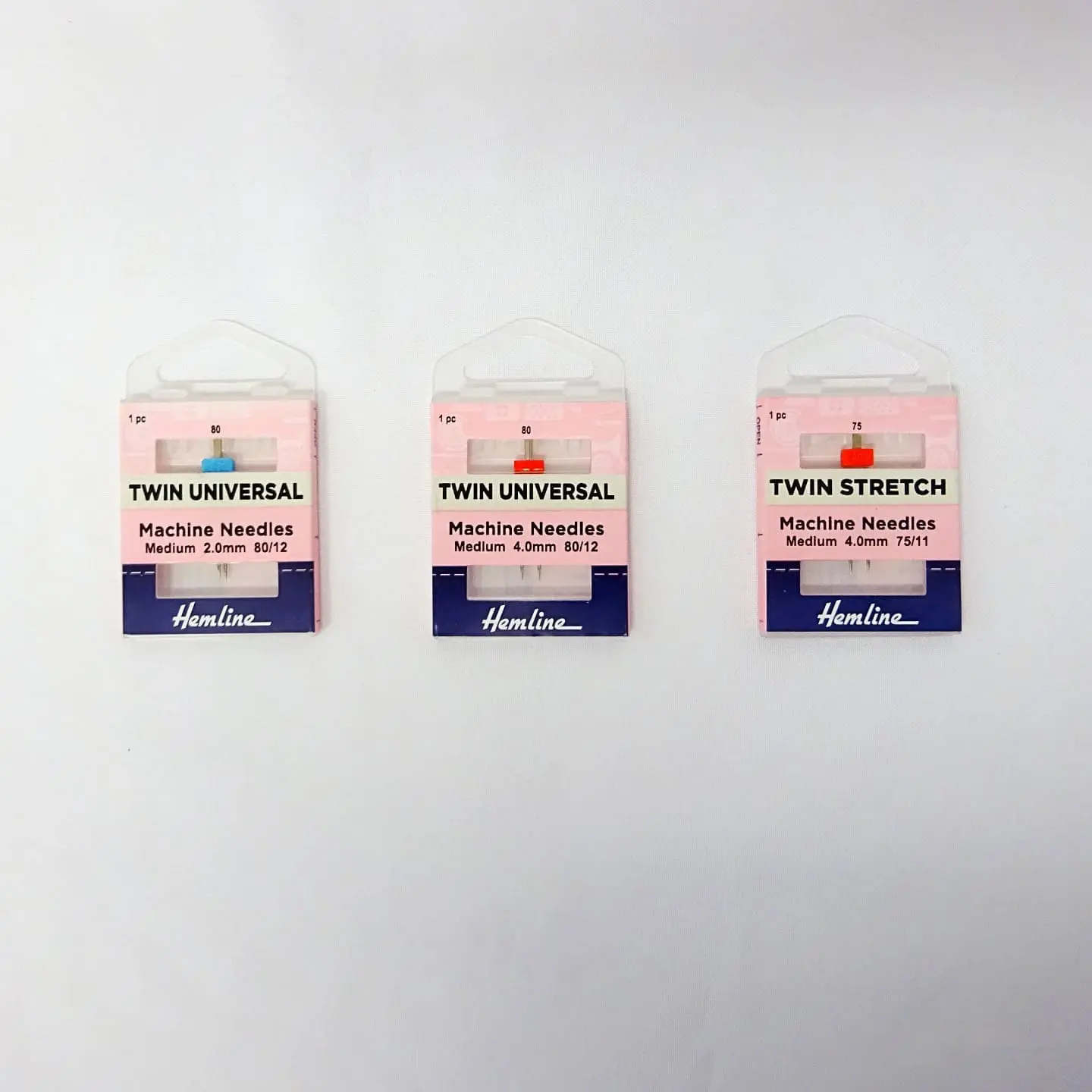
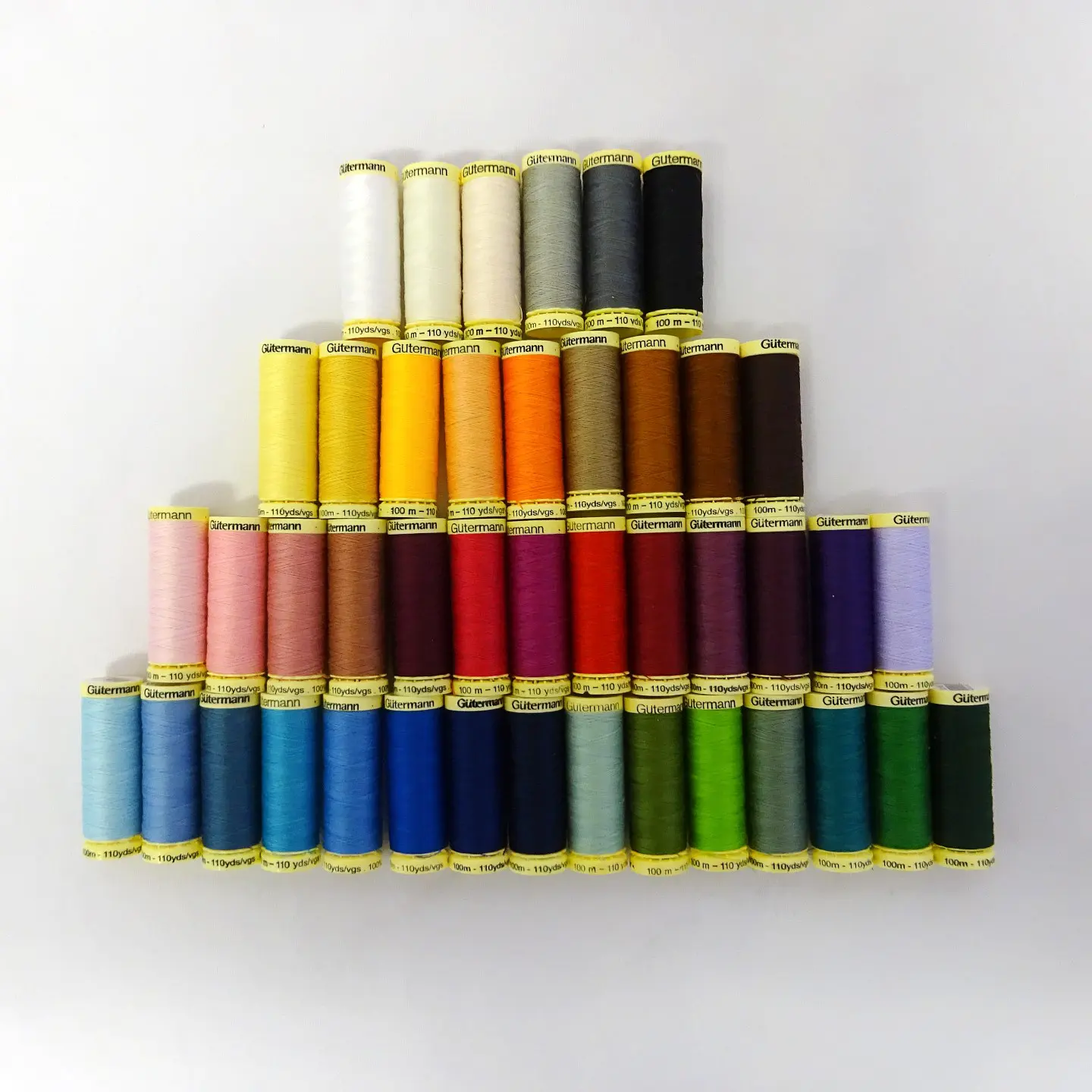
For medium-weight poplins and broadcloths, load your machine with a fresh Universal 70/10 or 80/12 needle. A blunt needle will struggle to pierce the tight weave, pushing the threads aside and causing a visible “run” in the fabric. Pair this with a high-quality, all-purpose polyester or 100% cotton thread for seams that will easily outlast the garment’s lifespan.
Achieving the Perfect Press
The true secret to high-end garment construction doesn’t happen at the sewing machine; it happens at the ironing board. Cotton responds beautifully to high heat and heavy steam. Pressing your seams open immediately after sewing them—and using a tailor’s clapper to trap the steam and lock the crease—will elevate your project from “homemade” to genuinely professional.
“
"A crisp plain weave isn't just a fabric; it's a blank canvas that forgives your mistakes and celebrates your precision."
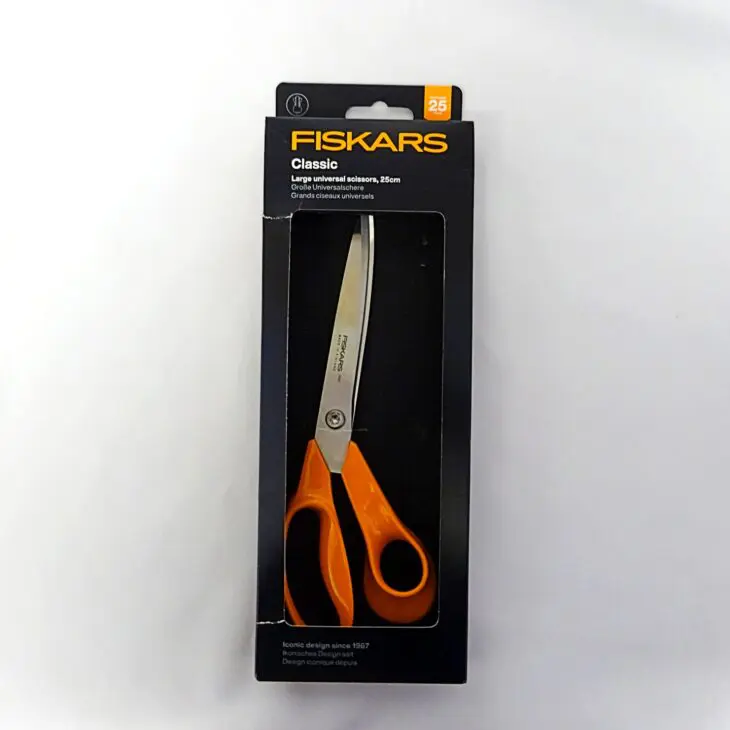
Essential Tools for this Project
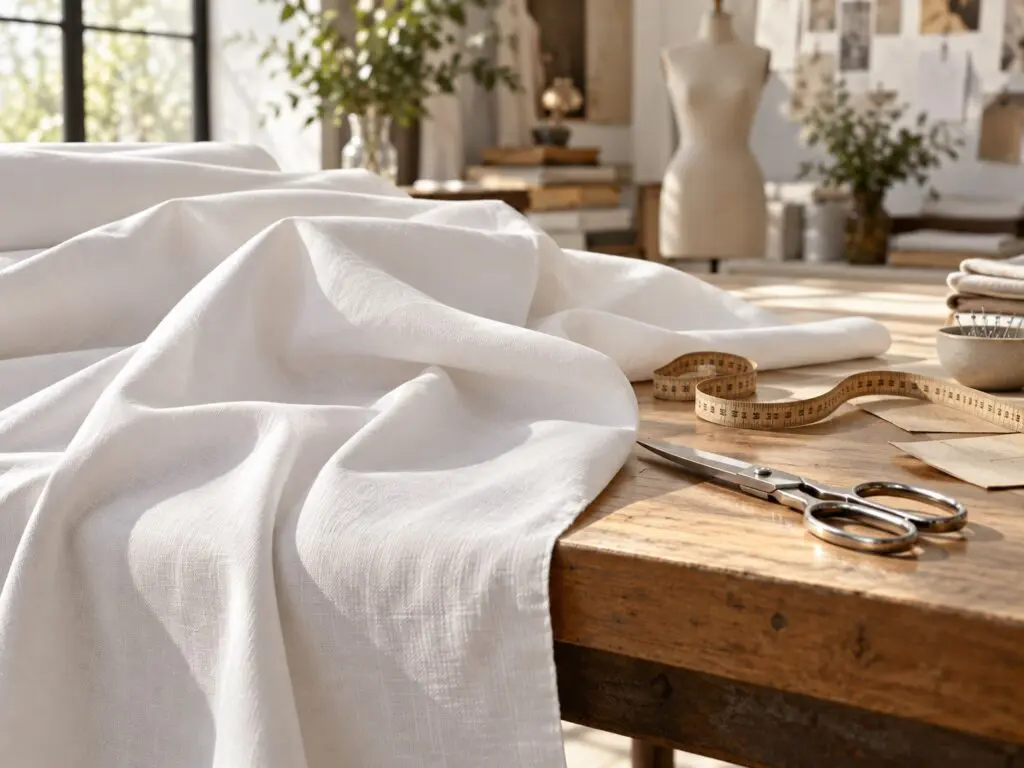
The Essential White 100% Cotton Poplin
Explore the exact drape, weight, and specifications for the highly recommended cotton featured in this guide.
View Fabric Details ➔